As the global agricultural sector transitions toward automation and precision farming, the demand for high-performance materials has reached an all-time high. Carbon Fiber, once reserved for aerospace and high-end automotive industries, is now revolutionizing the design of modern harvesting equipment.
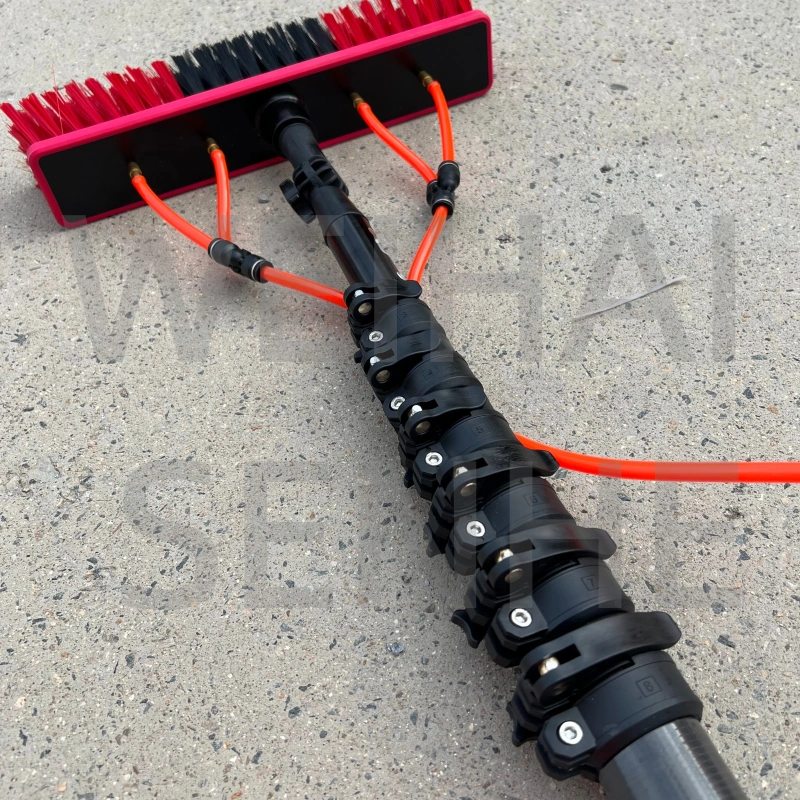
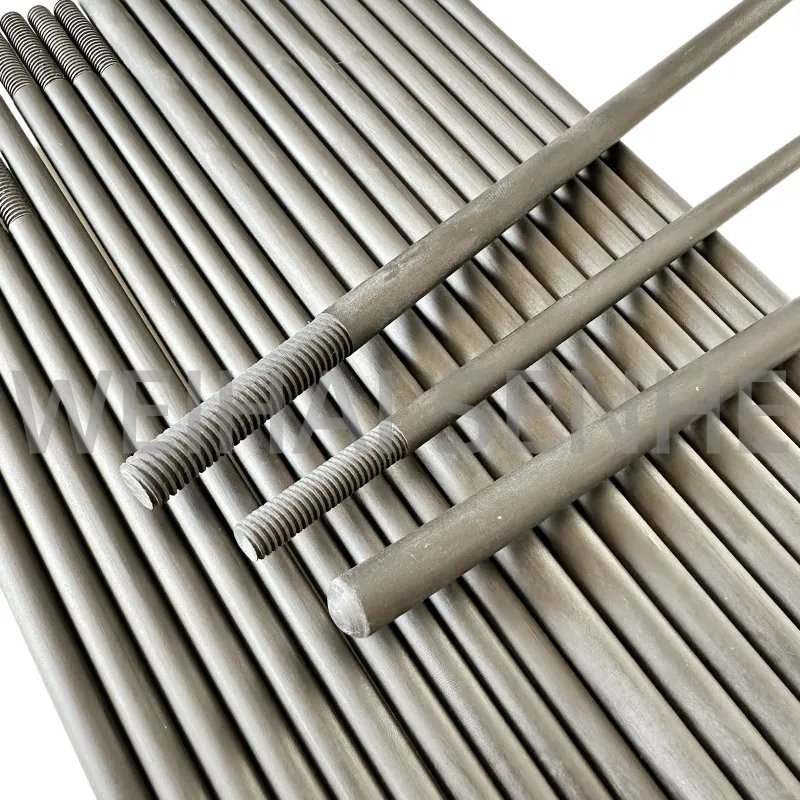
1. Ultra-Lightweight Telescopic Harvesting Poles
For the manual harvesting of high-hanging fruits—such as walnuts, coconuts, olives, and apples—the physical strain on workers is a significant bottleneck.
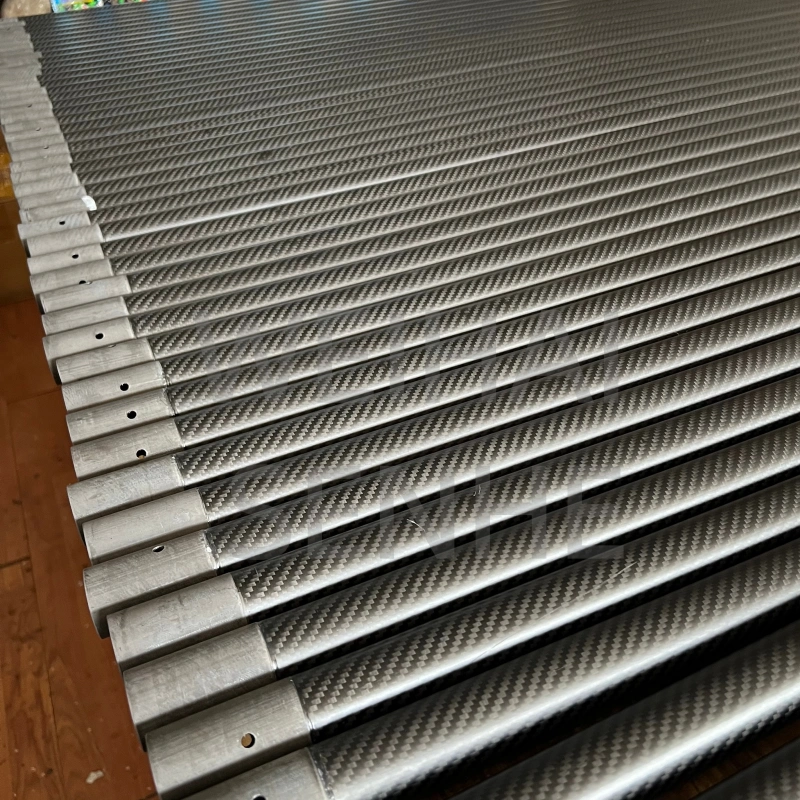
- Weight Reduction: Carbon fiber harvesting poles are approximately 50% lighter than their aluminum counterparts. This weight reduction drastically lowers operator fatigue, allowing for longer working hours and increased daily yield.
- Maximum Reach with Zero Sag: Traditional materials often bend or "sag" when extended beyond 5 meters. Carbon fiber’s high tensile modulus ensures that even at lengths of 8 to 12 meters, the pole remains rigid and easy to control, ensuring the picking head reaches the target fruit with surgical precision.
2. High-Speed Robotic Picking Arms
The rise of AI-driven picking robots requires hardware that can match the speed of the software. In this domain, carbon fiber is the gold standard for robotic limb construction.
- Minimized Inertia: The low density of carbon fiber reduces the rotational inertia of robotic arms. This allows the robot to perform rapid "start-stop" movements, significantly increasing the number of picking cycles per minute.
- Energy Efficiency: For battery-powered autonomous robots operating in remote orchards, weight is the enemy of endurance. Lightweight carbon fiber components reduce the power load on motors, extending the robot's operational battery life by up to 20-30%.
3. Durability in Harsh Agricultural Environments
Agricultural tools are constantly exposed to UV radiation, moisture, pesticides, and fertilizers.
- Chemical Stability: Unlike aluminum or steel, carbon fiber does not oxidize or rust. It remains structurally sound despite exposure to corrosive chemicals and varying weather conditions, ensuring a much longer service life for the equipment.
- High Impact Resistance: Despite being lightweight, carbon fiber reinforced polymers (CFRP) are incredibly tough. They can withstand the accidental drops and high-impact vibrations associated with mechanical harvesting without deforming.
4. Precision Components: Connectors and Fabrics
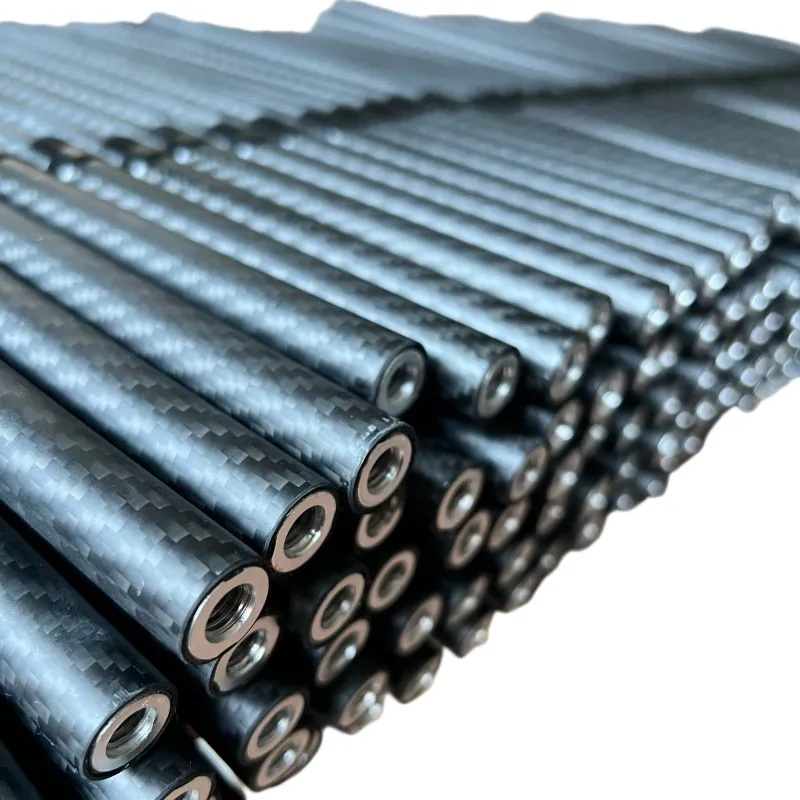
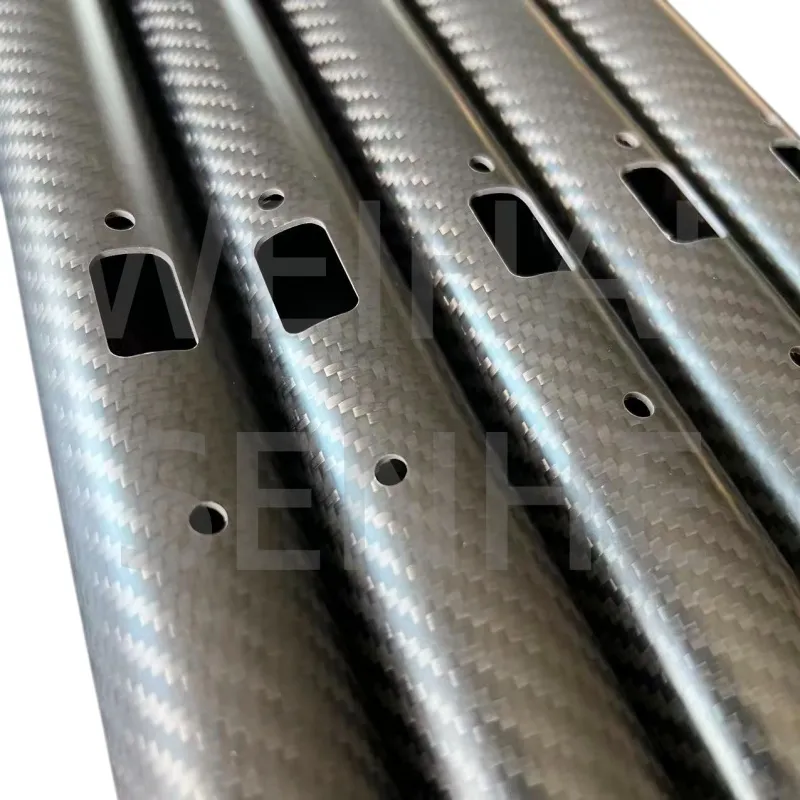
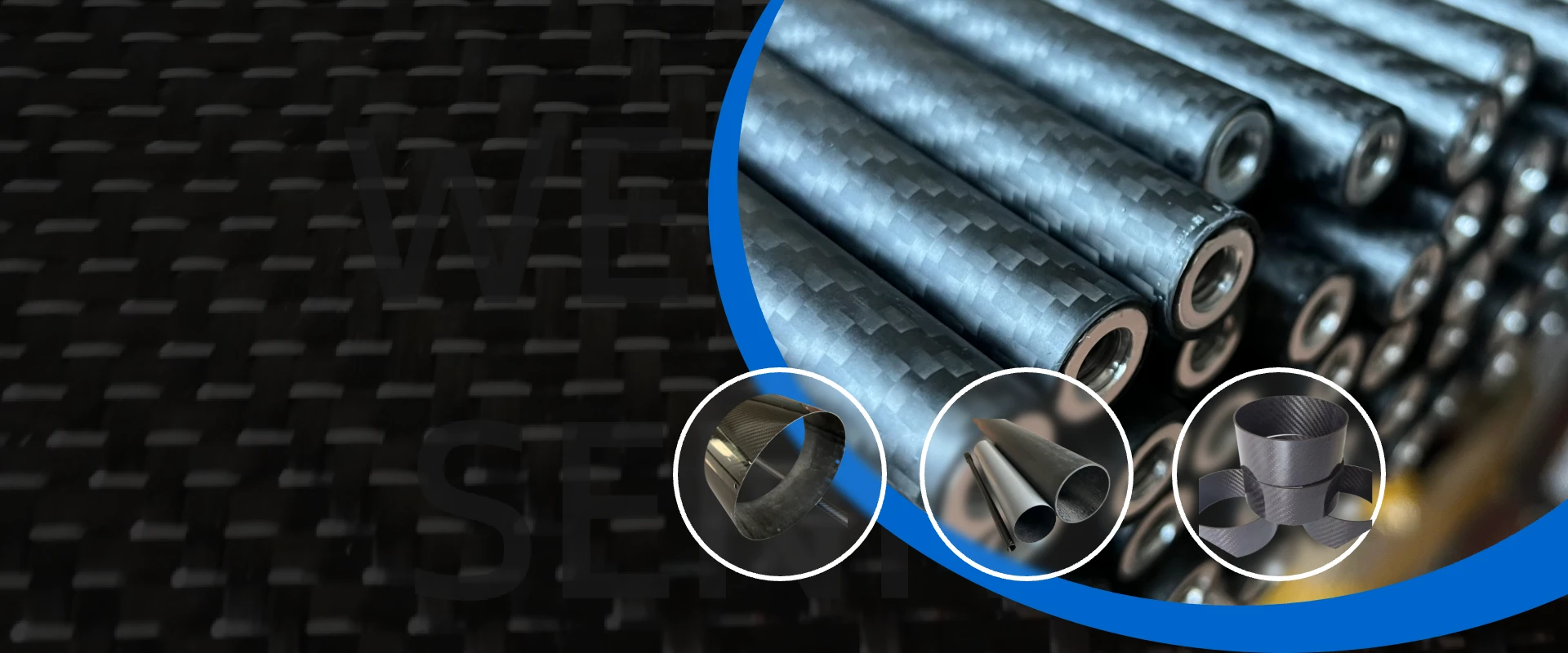
Weihai Senjin specializes in the core materials that build these tools. Our carbon fiber fabrics and customized connectors are used to create the "joints" of harvesting machinery. These components provide the structural integrity needed at high-stress points, ensuring that the interface between the handle and the picking blade remains secure under heavy loads.
Conclusion
The integration of carbon fiber into agricultural picking is not just a trend—it is a mechanical necessity for the next generation of farming. By replacing heavy, flexible metals with rigid, lightweight composites, manufacturers can deliver tools that are more productive, more durable, and more ergonomic.