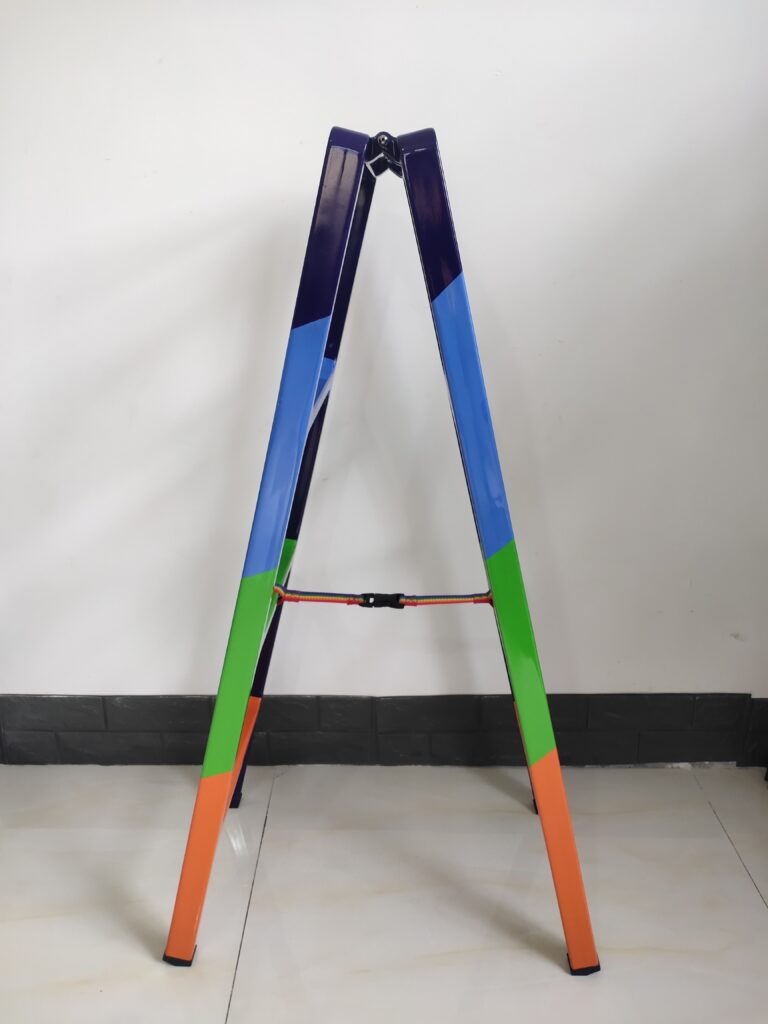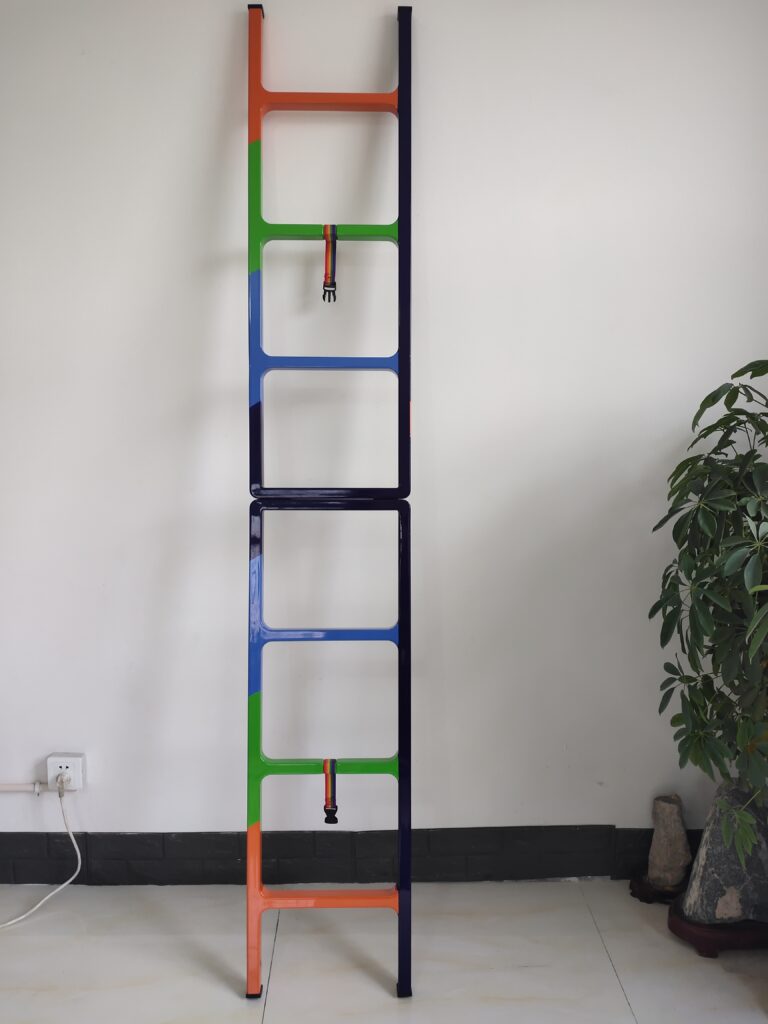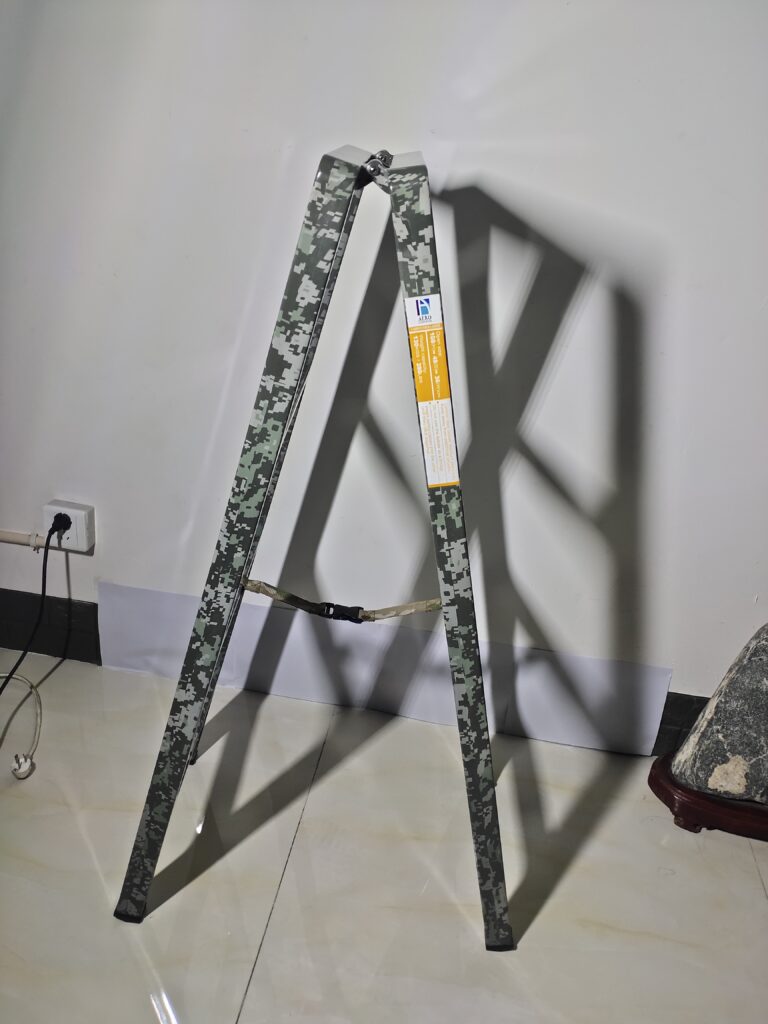
A carbon fiber ladder is designed for jobs where weight, strength, and handling matter. Compared with traditional aluminum or fiberglass ladders, carbon fiber ladders are easier to carry, more comfortable to move around job sites, and suitable for users who need frequent climbing, inspection, repair, or installation work.
They are commonly used in electrical maintenance, industrial facilities, warehouses, building services, aviation, transportation, and home improvement tasks where a light but strong ladder can improve daily efficiency.
What Is a Carbon Fiber Ladder?
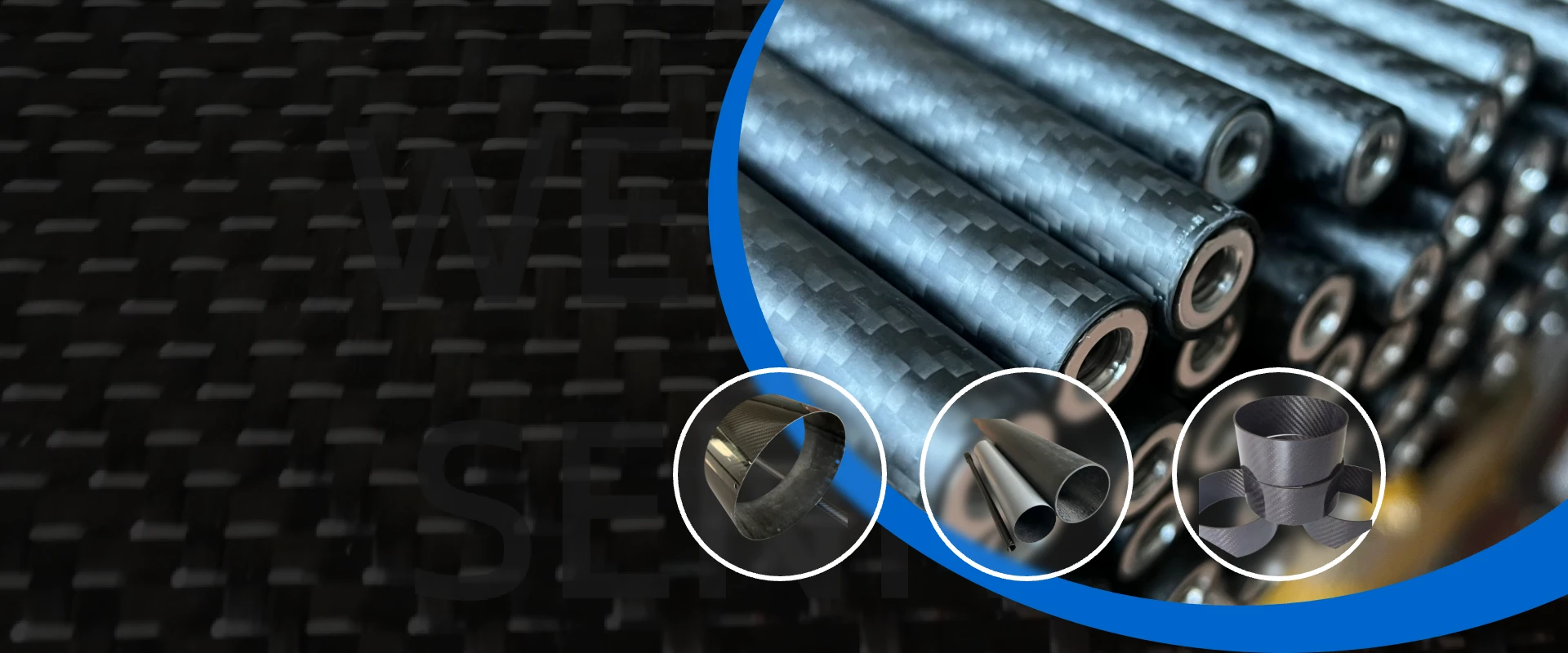
A carbon fiber ladder is made with carbon fiber composite material. This material is known for its high strength-to-weight ratio, which means the ladder can stay strong while being much lighter than many conventional ladder materials.
For workers who carry ladders between rooms, floors, vehicles, or job locations, the difference in weight can be a real advantage. Less weight means easier transport, faster setup, and reduced physical strain during repeated use.
Main Applications of Carbon Fiber Ladders
Electrical Maintenance
Carbon fiber ladders are often considered for electrical-related work because composite materials can offer better insulation performance than metal ladders. For electricians, facility maintenance teams, and utility workers, avoiding conductive ladder materials is an important safety consideration.
Typical uses include:
- Electrical panel inspection
- Cable installation
- Lighting repair
- Indoor and outdoor maintenance
- Equipment access in power facilities
Before using any ladder near electricity, always check the product’s insulation rating and local safety requirements.
Industrial and Factory Use
In factories and production sites, ladders are moved frequently between machines, platforms, storage areas, and service points. A lightweight ladder helps workers respond faster without needing extra lifting support.
Carbon fiber ladders are useful for:
- Machine maintenance
- Equipment inspection
- HVAC service
- Pipe and duct access
- Warehouse operations
Their lighter structure can be especially helpful in areas where workers need to reposition the ladder many times during one shift.
Home and Professional Renovation Work
For contractors, installers, and homeowners, a carbon fiber ladder can make everyday access tasks easier. It is suitable for painting, ceiling repair, lighting installation, roof-edge inspection, and interior decoration work.
Because it is lighter than many traditional ladders, it is easier to carry through doors, stairways, narrow halls, or between job locations.
Why Choose a Carbon Fiber Ladder?
Lightweight Handling
The biggest advantage is weight. A lighter ladder is easier to lift, carry, load into vehicles, and reposition. This matters for professionals who use ladders every day and for homeowners who want a ladder that is not difficult to handle alone.
Strong and Durable Structure
Carbon fiber is widely used in industries where strength and low weight are both important. A well-made carbon fiber ladder can provide stable support while keeping the frame slim and easy to manage.
Better Work Efficiency
When a ladder is easier to move, workers spend less time setting up and more time completing the task. For maintenance teams, installers, and field service workers, this can improve productivity across daily jobs.
Reduced Physical Strain
Heavy ladders can cause fatigue, especially when used repeatedly. A lighter ladder helps reduce pressure on the shoulders, arms, and back, making it more practical for frequent use.
How to Choose the Right Carbon Fiber Ladder
When selecting a carbon fiber ladder, focus on the job environment rather than only the price.
Check these points before buying:
- Required working height
- Load capacity
- Ladder type: step ladder, extension ladder, telescopic ladder, or platform ladder
- Anti-slip feet and rung design
- Safety certifications
- Electrical insulation requirements
- Indoor or outdoor use
- Storage and transport needs
For professional work, choose a ladder that matches the safety standards required in your industry or country.
Carbon Fiber Ladder vs Aluminum Ladder
Aluminum ladders are affordable and widely used, but they are conductive and can be heavier depending on the design. Carbon fiber ladders are usually chosen when users want lower weight, easier handling, and better suitability for sensitive or electrical work environments.
If the job involves frequent transport or work near electrical systems, a carbon fiber ladder may be the better long-term choice.
Who Should Use a Carbon Fiber Ladder?
A carbon fiber ladder is suitable for:
- Electricians
- Facility maintenance teams
- Industrial technicians
- HVAC workers
- Contractors
- Warehouse operators
- Telecom installers
- Homeowners who want a lighter premium ladder
It is especially useful for people who need a ladder that is strong, portable, and easier to use for repeated tasks.
Final Thoughts
A carbon fiber ladder is not just a lighter version of a traditional ladder. It is a practical access tool for users who care about safety, mobility, and daily working efficiency. For electrical maintenance, industrial service, installation work, and home use, it offers a strong balance of low weight, durability, and convenience.
When choosing one, always match the ladder height, load rating, and safety performance to the actual job site.
FAQ
Is a carbon fiber ladder better than an aluminum ladder?
It depends on the job. Carbon fiber ladders are lighter and often preferred for electrical or frequent-use applications, while aluminum ladders are usually more budget-friendly.
Can carbon fiber ladders be used for electrical work?
Many carbon fiber ladders are suitable for electrical environments, but you should always check the product’s insulation rating and safety certification before use.
Are carbon fiber ladders strong?
Yes. Carbon fiber has a high strength-to-weight ratio. A properly manufactured carbon fiber ladder can provide strong support while remaining lightweight.
Who needs a carbon fiber ladder?
Electricians, maintenance workers, contractors, installers, warehouse teams, and homeowners who want a lighter ladder can benefit from using one.
What should I check before buying?
Check the ladder height, load capacity, ladder type, anti-slip design, certifications, and whether it is suitable for your working environment.