Product Overview
The foundation of a world-class fishing experience begins with the blank. Our Carbon Fiber Fishing Rod Blanks represent the intersection of advanced aerospace-grade composite technology and precision angling requirements. From ultra-sensitive freshwater finesse rods to heavy-duty saltwater casting poles, our blanks provide the structural "soul" that determines a rod's action, power, and long-term durability.
Core Applications in the Fishing Industry
1. Specialized Bass & Freshwater Blanks
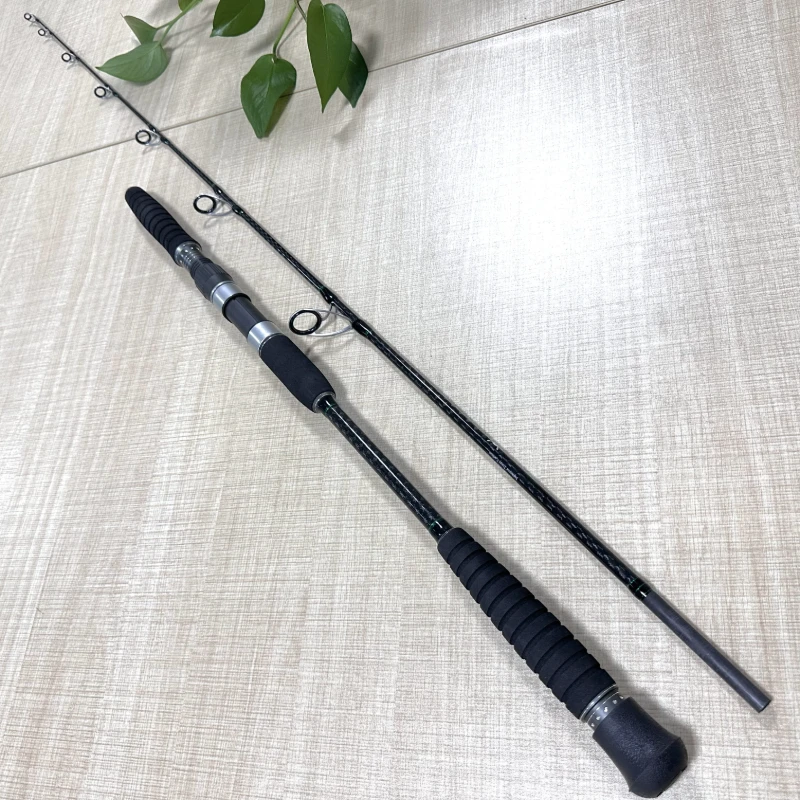
Engineered for the technical demands of tournament bass fishing, these blanks prioritize high sensitivity and rapid recovery.
- Application: Ideal for jigging, drop-shotting, and crankbait techniques where detecting subtle strikes is paramount.
- Performance: High-modulus carbon fiber construction allows for a lightweight profile that reduces angler fatigue during day-long competitions.
2. Heavy-Duty Surf & Shoreline Casting
For anglers facing the harsh conditions of the coast, our Surf Fishing Blanks are built with reinforced wall thicknesses and specific tapers for maximum distance.
- Application: Specifically designed for long-range casting of heavy lures and sinkers into the surf.
- Performance: Enhanced hoop strength prevents "ovaling" during high-velocity casts, ensuring consistent accuracy.
3. Precision Telescopic & Travel Solutions
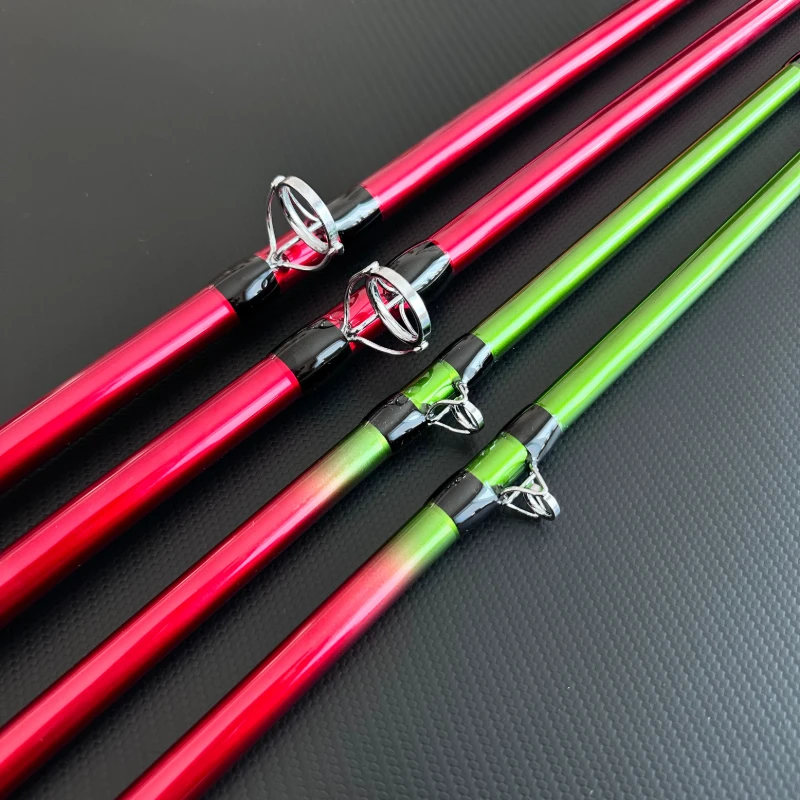
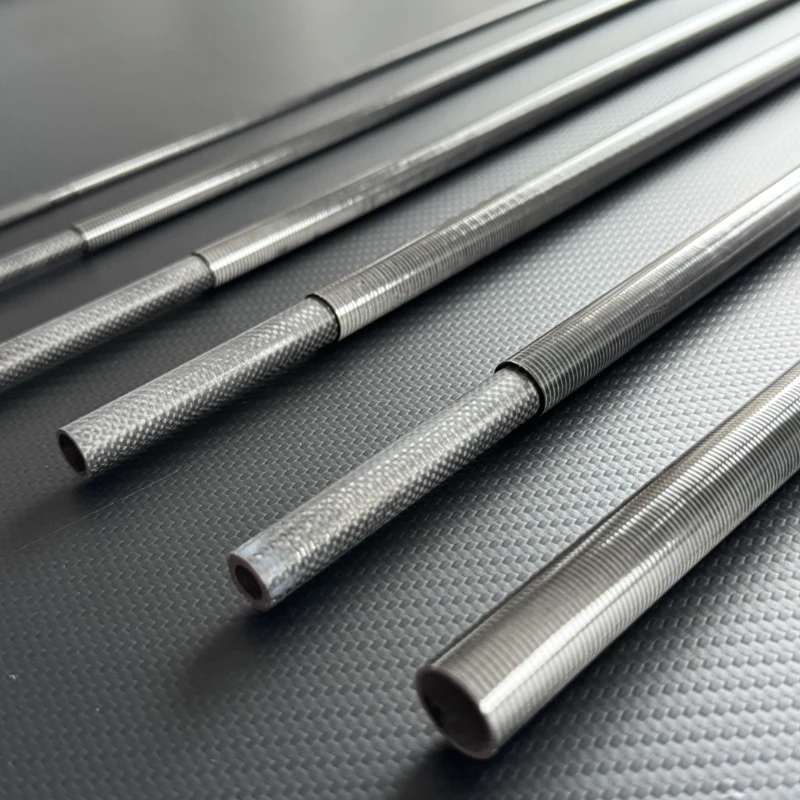
We provide advanced multi-section and telescopic blanks that offer portability without sacrificing the seamless "one-piece" feel.
- Application: Perfect for travel rods, backpacking setups, and compact storage for urban anglers.
- Performance: Precision-engineered ferrule connections ensure a smooth parabolic curve under load, maintaining structural integrity across all joints.
Engineering Excellence & Features
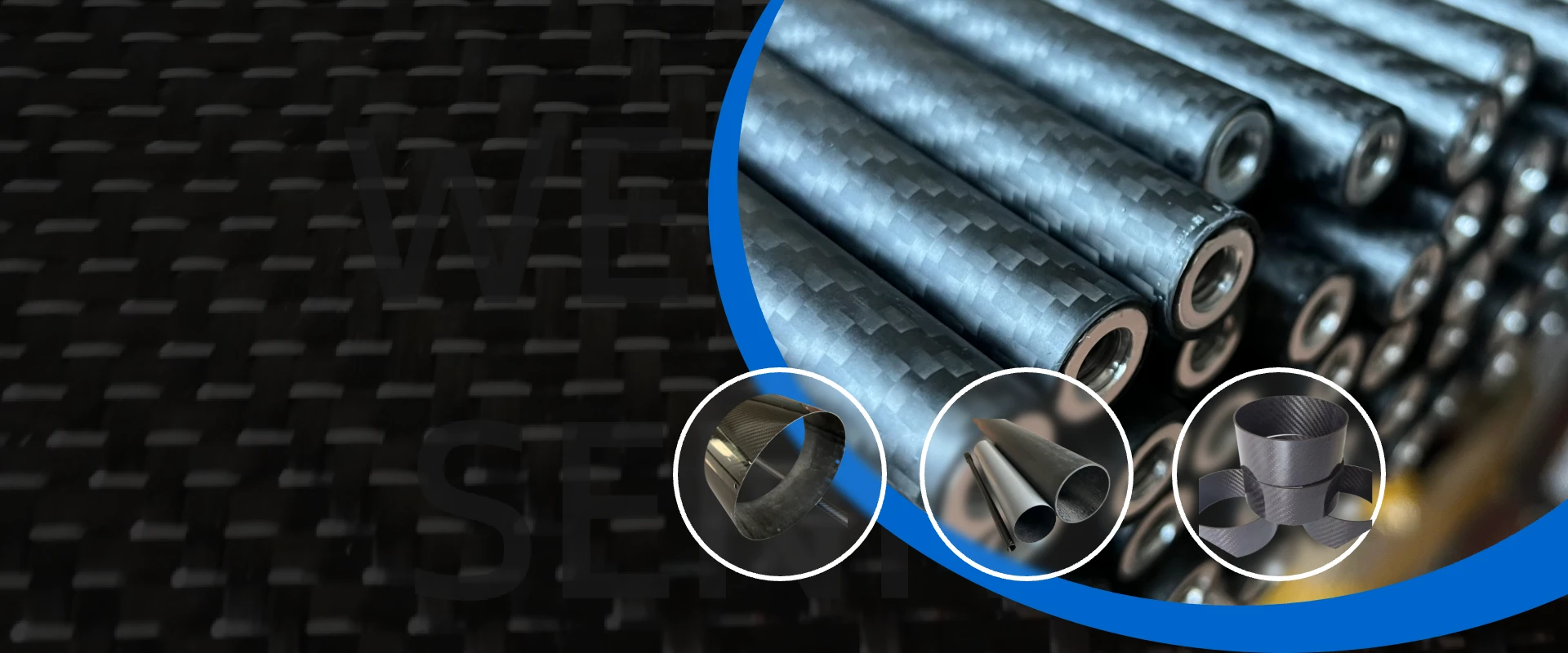
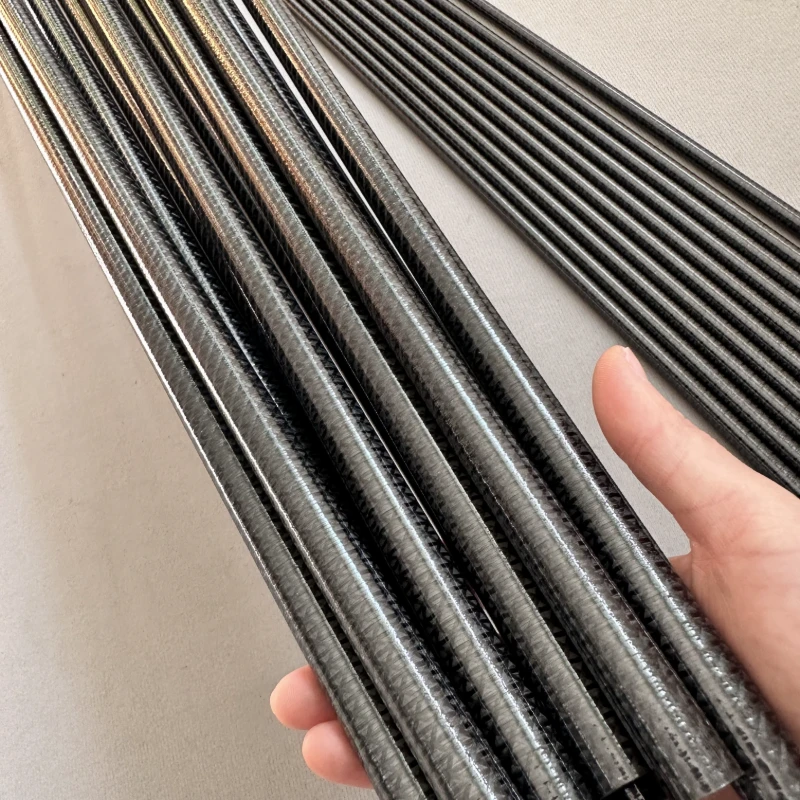
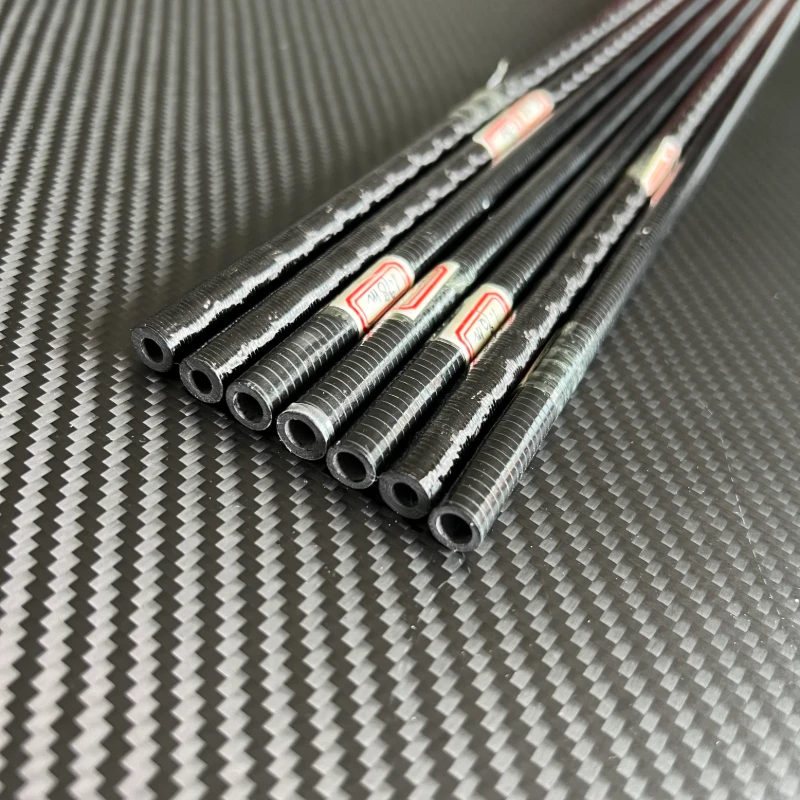
- Multi-Layer Carbon Layup: We utilize a complex orientation of carbon fibers to balance longitudinal stiffness with torsional resistance.
- Precision Tapering: Every blank is ground to exacting tolerances to ensure the transition from butt to tip is consistent and predictable.
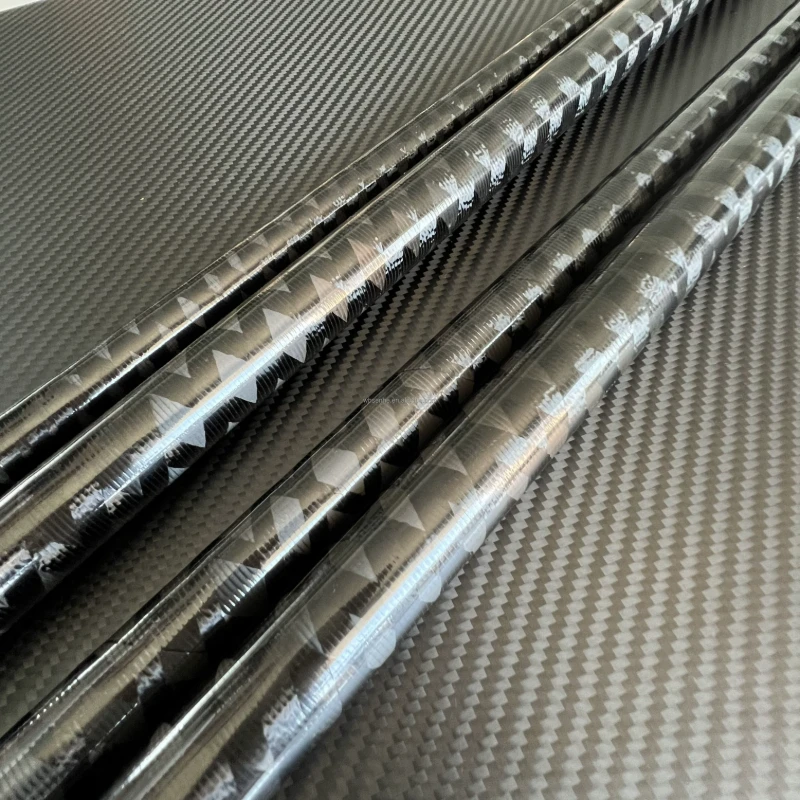
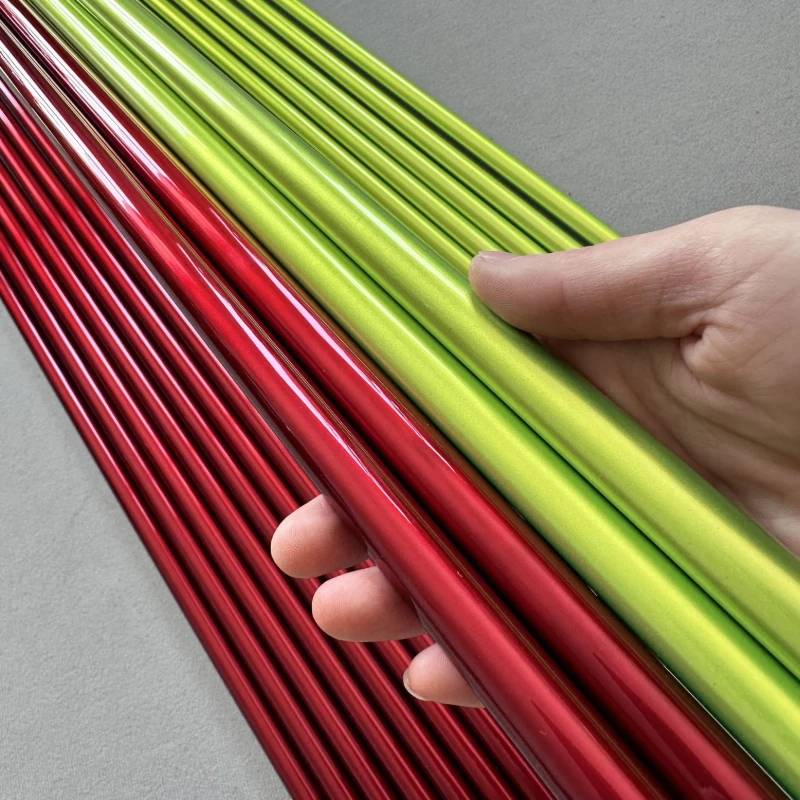
- Aesthetic Consistency: Available in raw technical matte or high-clarity gloss finishes that highlight the carbon weave, meeting the aesthetic standards of premium custom rod builders.
- Broad Specification Range: Our catalog includes various diameters (from 6mm to 34mm) to accommodate everything from ultralight panfish rods to heavy offshore poles.
Why Choose Our Blanks for Your Tackle Brand?
By focusing on high-grade materials and rigorous manufacturing standards, our blanks empower rod builders to create equipment that stands up to the "fight of a lifetime." We bridge the gap between industrial composite capability and the nuanced needs of the modern angler, ensuring every cast is precise and every hookset is powerful.